The Back Room
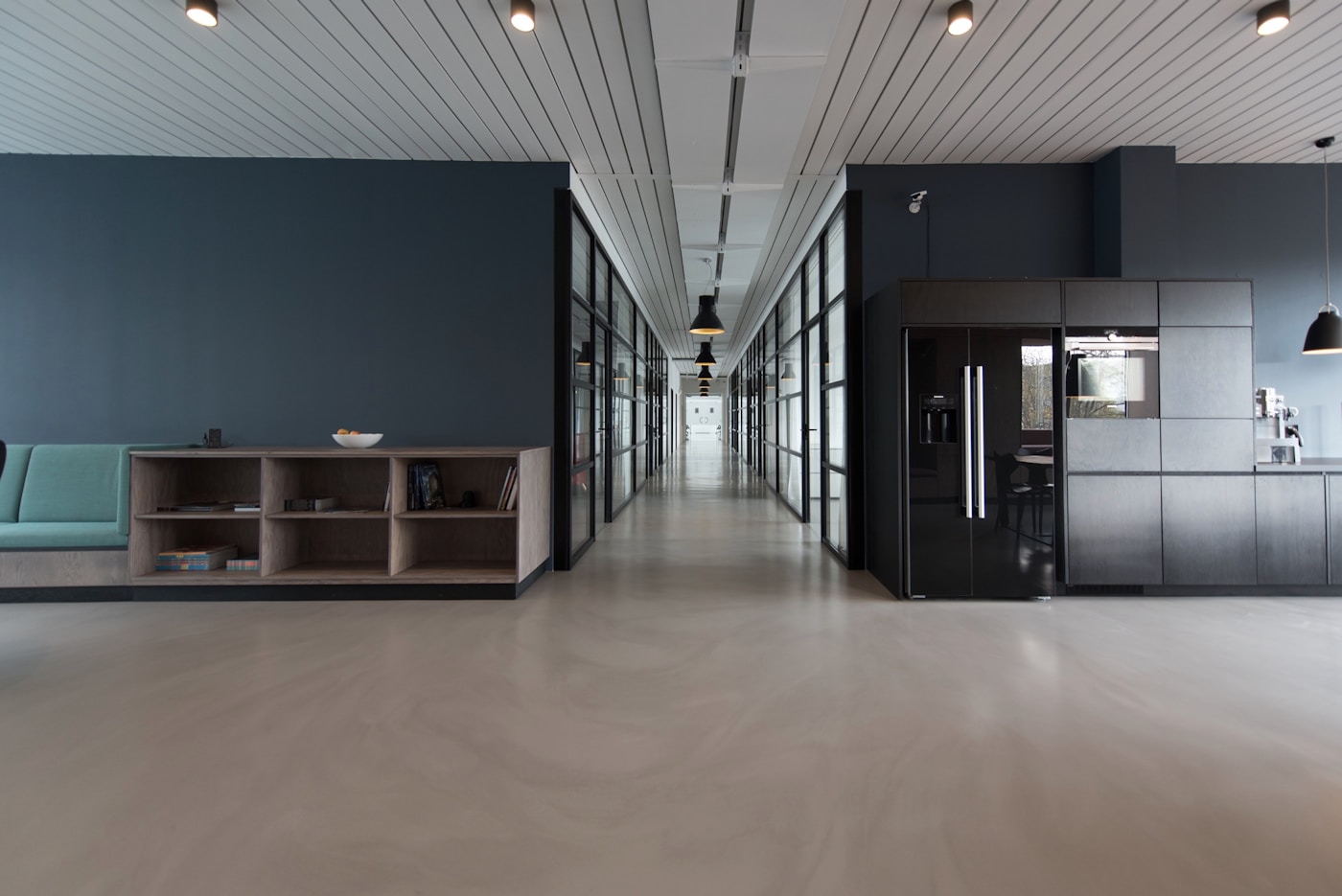
Every newsroom has a visible front and a less visible rear. Ours is literally upstairs: a long table under a painted ceiling, three windows facing the five-foot way, and enough floor space for seven desks to work without bumping elbows. The back room is where drafts become slate entries, where proofs are marked in pencil, and where the desk editor decides what ships at 06:30 and what waits for another source.
This page is not a tour for its own sake. It explains how News Drift Spark publishes so that readers know what they are reading and what we do not claim. We are an independent portal based at 38 Dunlop Street in Little India. We describe our methods; we do not promise that every story will change outcomes or that our coverage will be complete in every direction at once.
Why Dunlop Street
We chose Dunlop Street because the building sits at a junction of foot traffic, delivery routes, and the kind of morning noise that keeps a desk honest. The shophouse upstairs is quiet enough to edit and close enough to the street to remember who we write for. Rent is not the subject of this page; location is. Being in Singapore, publishing on Singapore time, and walking the same pavements as our readers matters to how we assign and verify.
The five-foot way below is where stringers sometimes file from phones, where photograph proofs are compared to what the street actually looked like at 07:00, and where we notice when a headline no longer matches the shopfronts. Dunlop Street is not a branding device. It is the address on the masthead and the place the desk editor can be found on publishing days.

Publishing day
Publishing day begins before dawn. The desk editor arrives first, reads overnight wires and local feeds, and opens the slate template for the day. By 05:00, at least two desks have filed draft paragraphs. By 05:45, picture desk captions are paired with selected frames. At 06:15, the editor reads the full slate aloud — a habit retained from when the room was smaller and the only proof was hearing a sentence stumble.
At 06:30 SGT the daily slate publishes. That is the fixed point around which everything else arranges. Midday notes may follow if a story moves. Evening rounds summarise what changed and what held. None of these slots carry a guarantee of comprehensiveness; they carry a guarantee of order. The day, in order, from Dunlop Street.
Saturday runs shorter: the slate publishes at 08:00 and the desk closes at 13:00 unless a correction or major development requires otherwise. Public holidays follow a reduced schedule posted on the pinboard calendar in the back room and noted on the home page when it differs from the usual rhythm.
Seven desks, one editor
Each desk — policy, city, work, technology, health, climate and culture — owns a segment of the slate. Desks do not publish directly to the site. They file to the back room, where the desk editor checks sourcing ladder compliance, tone and duplication against other desks. The picture desk supports every segment but is not a slate row itself.
The desk editor is not anonymous. The name rotates quarterly among senior staff to spread load and avoid a single point of failure. The current editor's initials appear on the slate each morning. Readers who wish to reach the editor may use the general desk email; we do not publish a separate editor inbox to reduce targeted harassment.
What we will and will not do
We verify before we publish using the five-step sourcing ladder described on its own page. We correct errors under the policy set out in Put It Right. We answer recurring reader queries in Reader Questions. We do not accept payment for coverage, do not run native advertising disguised as news, and do not promise favourable treatment to any subject.
We do not publish unverified leaks presented as fact. We do not strip context to sharpen a headline. We do not leave outdated material online without a dateline or update note when the story has moved. These are editorial choices, stated plainly so readers can decide whether our portal suits their needs.
Visiting and correspondence
Readers may visit during published hours if they have arranged a time by email. We do not operate a walk-in counter or a public reception on the ground floor. The upstairs room contains active workstations and source material that cannot be displayed casually. Visits are for corrections, syndication enquiries, and pre-arranged interviews — not for pitching stories without an appointment.
Correspondence sent to [email protected] is read by the desk editor or a designated deputy each weekday. We aim to acknowledge non-urgent mail within three working days. Urgent corrections are prioritised under the Put It Right policy regardless of the day.
Long disclaimer
News Drift Spark Pte. Ltd. publishes this portal as an independent news operation. All content is provided for general information. It is not legal, financial, medical, or professional advice. While we apply editorial standards described on this site, we make no representation that any article is complete, current in every detail, or suitable for any particular purpose. Reliance on published material is at the reader's own judgement.
Opinion pieces, when published, are labelled as such. News reporting aims for impartial description of verifiable events and statements. Where sources conflict, we say so. Where we cannot verify, we do not publish as fact. External links leave our site; we are not responsible for third-party content, though we remove links we know to be harmful or permanently dead when notified.
Nothing on this portal creates a client, fiduciary, or confidential relationship between News Drift Spark and any reader. Email to our desk does not automatically grant confidentiality; sources seeking protection should say so explicitly and we will respond with what we can and cannot promise before proceeding.
We reserve the right to amend this page, our policies, and our publishing rhythm as the desk evolves. Material changes to correction or privacy practice will be noted on the relevant policy page with a revision date. The back room will remain the place those decisions are made — upstairs on Dunlop Street, before the slate goes out.